
Unknown to many, 192.168.1.1 is the most common default IP address used at home and for routers. It is a part of the Class C range of private IP addresses. However, this class does not have a direct connection to the internet. Therefore, it will not help you transfer your external data to this IP over the internet.
There is a default gateway from where you can check your router’s IP address. Open the Windows command prompt and type in ipconfig. Alternatively, you may search for your IP address by typing in ip route | grep default in your MacOS terminal session.
Steps for Logging into 192.168.1.1
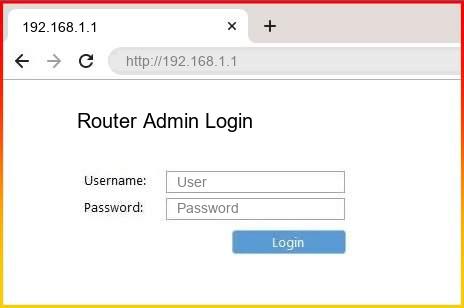
Step 1 – Click http://192.168.1.1. Alternatively, you can open your web browser and type in 192.168.1.1. You should ensure that you are connected via the same network as your router. If you receive an error here, it means that this is not your router’s IP address.
Step 2 – Log in with your credentials. You will find the directions on the screen. Your login credentials are present either at the bottom or the back of your router.
Note – If you have changed your default passwords earlier and you do not recall them, you may request a factory reset of your browser. Press and hold your RESET button and count for 15 seconds. This resets your router settings to its original default settings.
Step 3 – Once you are able to access your router’s admin panel, you have a lot of options for increasing your router’s security and performance. 192.168.1.1 is the default IP address for WiFi routers such as Linkys or Asus. However, it would help if you typed the octets correctly. They are all numerical!
Ensure that you have added all your IP address characters correctly, and there is no space anywhere. Also, keep all the dots that you see here.
How To Change Your Login Credentials for 192.168.1.1?
Once you are on your admin page of 192.168.1.1, the first thing you need to do is to change your login credentials. Create a new secured username and password. Avoid continuing with the default ones, as more or less they are identical. Also, continuing with your default settings might put you at a grave risk of hackers hacking your home network.
While creating your password, make sure that it does not contain any of your personal information. It should be secured as well. You can create an alphanumeric mix with letters, numbers, and symbols. This gives your password maximum strength and security. There is a password strength test tool where you can run your password to check its strength.
Changing the Password for 192.168.1.1
Here are the quick steps for changing your router password –
Step 1 – Log in to your admin panel page.
Step 2 – Enter your default credentials or your created ones (if any).
Step 3 – Navigate to find Wireless Security or Wireless. Find WPA or WPA2.
Step 4 – Find the section to change your password.
Step 5 – Enter your new password and save your changes.
Troubleshooting to Log in to Your 192.168.1.1 Admin Page
Here are quick steps to troubleshoot your access to the admin page –
Step 1 – First and foremost, unplug your router. It would help if you plugged it back. However, please wait for a few minutes for it to reset the connection. If required, you can even reset using the button at the back of your router.
Step 2 – Double-check the correctness of your router’s IP address. Ensure that you are not skipping any character.
Step 3 – Update the browser the way you want. If still no difference, try an alternate browser. Your original browser might have specific cache issues.
Step 4 – Check whether your antivirus is causing any issues. You can do so by temporarily turning it off. You can even turn off your firewall temporarily.
Router Troubleshooting: How Should You Do It?
Sometimes, your router itself might be creating issues. Your router may not allow you to connect to other devices. Resetting your browser may be one of the options here.
Follow the same resetting process with the reset button on your browser. Try changing your default login credentials.
Changing the SSID of your 192.168.1.1 IP Address
As mentioned earlier, you can now even change the SSID name from your admin page. Your SSID is the name of the network you use for your WiFi. It would help if you changed it to something that you can easily recognize. It would be beneficial if your neighbors used similar network names. Furthermore, you have the liberty of modifying your WiFi password as well if you feel that your WiFi network users are compromising it.
Additionally, you can even set up a separate guest SSID for your guests.
Note: The information provided here is purely based on our thorough Google literature research and is in no way our findings or experiences.
Takeaway
We hope that you liked reading our blog on the following: What is the Admin Login for Router IP 192.168.1.1? If you find it worthy to share with your loved ones, we urge you to do so. Also, if you have any input or additional information to include here, please write to us. We will cover it in our upcoming blog. Drop your feedback in our comments section, or reach out to us via our contact page. Your feedback is essential for us.